
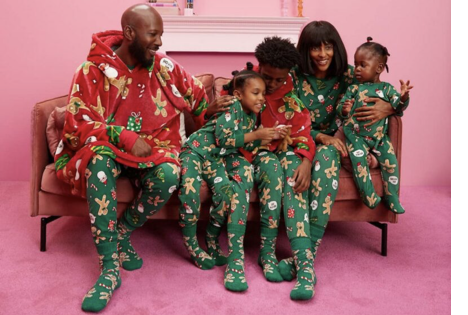
Why seeing ourselves reflected truly matters
When we talk about race in media and what representation matters. We’re really talking about being seen. It’s about looking at the world around us, on TV, in adverts, on social media, and feeling like we exist in it. Feeling like people who look like us, sound like us, or come from where we come from, have a place in society.
The images we see every day shape the way we see not only ourselves, but each other. They tell quiet stories about who belongs, who’s successful, who’s beautiful, and who’s just… There in the background. When you see people like you shown with pride, power, or joy, it builds something inside you, a feeling that you matter. But when you hardly ever see that, or only see your community shown in one way, it can chip away at confidence. It can make a person feel invisible, even when you know they shouldn’t be.
Representation isn’t just about ads or TV shows, it’s about the world telling all of us you belong here. That’s why there is such a conversation when we talk about race in media and advertising. It’s not a political debate, it’s a human one, it’s a conversation about fairness, respect, and belonging.
Recently, there’s been a lot of conversation about race in media and what we see on our screens, including infamous comments from a Reform Party MP who said she was “driven mad” by adverts that were “full of black people, full of Asian people.”
That comment struck a nerve for many people, because it reminded us how something as simple as who we see in an advert can reveal deeper feelings about who is, and isn’t accepted as part of society.
In this blog, we’re going to explore why race in media and representation really matters. We’ll look at how it shapes how we see ourselves, how it influences how others see us, and what happens when some people are still made to feel out of place in their own country.
The power of images in shaping identity
Think about how often we see faces in adverts, TV shows, films, or even stock photos online. Most of the time, we don’t even notice them, but they’re quietly shaping how we see the world. Every image we take in tells us something about what’s “normal,” what’s “beautiful,” and what kind of person “belongs.”
For example, if you grow up only ever seeing people who look nothing like you in positions of success, for example; doctors, business leaders and main characters… it starts to imply a message. You might not hear it out loud, but it’s there: people like you don’t make it in these role. And when that message gets repeated again and again, it goes from being hyperbole to a societal belief.
On the other hand, when you see people of all backgrounds shown; just living life, working, laughing, being the an equal focus instead of the background, it changes how you feel about yourself and others. It tells you that everyone has a place. That you don’t have to fit a certain image to be seen or valued.
Images have power because they live in our heads long after we’ve seen them. Race in media and how it influence how children see their futures and how adults make sense of the world around them. For example, should a young Black boy keep seeing adverts where people who look like him are shown as strong, kind, or successful, his grows up believing that’s possible for him too. If a young Asian girl sees herself in stories of leadership and creativity, she’ll know she can be that as well.
Image source: https://www.leeds-live.co.uk/news/real-life/most-beautiful-girl-world-looks-32625730?int_source=nba
You may remember Thylane Blondeau who is making headlines again. Once dubbed by some outlets as “the most beautiful girl in the world,” her story reminds us that the “beautiful face” in media is rarely neutral, it carries assumptions, standards and invisible filters about race, age, gender, health and background.
That’s why it’s never “just an advert” or “just a photo.” Every image is a small piece of a bigger story about who we are as a society. And when that story is missing whole groups of people, or only shows them in narrow ways, it affects everyone, not just those left out. Because a one-sided story is never the full truth.
Race in media: Why representation in media and advertising matters
Representation matters because it tells us who counts. The faces and voices we see in adverts, films, magazines, and online spaces set the tone for how we see society and how we fit into it. When people from different racial, cultural, or social backgrounds are shown just simply living their lives as most do, it sends a powerful message: everyone belongs here.
Advertising isn’t just about selling a product, it sells ideas, it sells the idea of who we want to be, what’s desirable, and what’s “normal.” When brands include a mix of people; Black, white, brown, mixed-race, disabled, older, younger they’re not only showing reality, but they’re also expanding it. They’re saying: this world has space for everyone, and everyone deserves to see themselves reflected in it.
But when representation is missing, it’s more than just a marketing issue. It’s the quiet feeling of not being seen, the awkward pause when you realise every advert campaign it only features only one kind of person, or the subtle discomfort when you never quite see your community reflected without a stereotype attached. Those moments build up over time. They don’t just affect how people feel, they can also shape how others view them.
For children, it’s especially powerful. Seeing someone who looks like you leading a campaign or starring in a TV show can be life changing. It helps build self-esteem, pride, and ambition. On the flip side, when young people rarely see people like them represented, it can plant doubt before they’ve even had a chance to dream.
Our own Mission Diverse team, Keishia Hamilton, reflects on what it was like growing up with TV in the background, remembering who she saw, who she didn’t, and how that shaped the way she felt about herself.
Keishia said: “Growing up, I didn’t see many people who looked like me in adverts or on TV — and when I did, it was usually a stereotype. We were shown as the athlete, the musician, or the loud best friend. Hardly ever the businesswoman, the lead character, or just a regular person living her life. As a kid, you take that in. You start to think that’s all the world expects you to be.”
Representation and race in the media also changes how we see each other. Diverse images challenge assumptions and help us understand people’s experiences beyond our own. They can break down stereotypes, spark empathy, and start conversations that might not happen otherwise.
And while some people might still say things like “why does it matter who’s in an advert?”, the answer is simple, it matters because these images are everywhere. They shape the way we see our communities, our workplaces, and even ourselves. Representation isn’t a “trend” or a tick box for diversity. It’s a mirror that shows us whether we really value everyone equally or only some. Which is why when we look at racism in today’s society we see broader issues of racism in communities, but also across the political spectrum, which we’ll discuss in more detail within this blog.
The harm caused by exclusion and stereotyping
We’ve all seen it… the kind of advert that’s supposed to make everyone feel included but somehow ends up doing the opposite. It’s often not loud or obvious, but it still leaves you with that uneasy feeling that something isn’t quite right.
A good example is the recent Sanex shower gel advert that ended up being banned here in the UK. In the ad, a Black woman appears in the “before” scene, her skin cracked and dry, while the voiceover talks about irritation and discomfort. Then the “after” shot cuts to a white woman with smooth, glowing skin, as the narrator praises 24-hour hydration. That contrast didn’t sit well with a lot of people, and rightly so.
A shot from the banned advert.
Thanks to Channel 4 news, the advert can be found here.
The Advertising Standards Authority agreed that the way the ad was put together sent a harmful message. Whether the brand meant to or not, it gave the impression that Black skin was “a problem” to fix, and that white skin was the goal. Sanex said it was trying to show a simple “before and after,” but the deeper message landed differently and that’s the whole point about representation.
Even when something looks harmless on the surface, the story behind it matters. The order of images, the tone, the colour contrast, all of it carries meaning. Ads like that remind us how easy it is for old ideas about race and beauty to sneak into modern media without anyone saying a word. That’s why paying attention to how people are represented isn’t about being overly sensitive, it’s about making sure we’re not still telling the same hurtful story in new packaging.
Where do these stereotypes come from?
The way we see people represented today didn’t just happen by chance. It’s the result of decades… even centuries… of who held the camera, who told the stories, and who had the power to decide what was worth showing. For a long time, that power sat firmly in the hands of a small group; mainly white, mainly male, and mainly from a particular social background. So, the images that filled our screens and magazines reflected their version of the world, not everyone’s.
Back then, the “default” face of beauty, success, or professionalism was almost always white. Adverts, films, and TV shows from as recently as the 1980s and 1990s rarely showed Black or brown people in everyday roles and when they did, those roles were often narrow or stereotyped. This wasn’t just a reflection of society; it helped shape how society saw itself. If people of colour were only shown as the side characters or the joke, it reinforced the idea that they didn’t belong at the centre of the story.
Best-selling author, Afua Hirsch, talks about the standards of beauty through personal, historical and cultural insights.
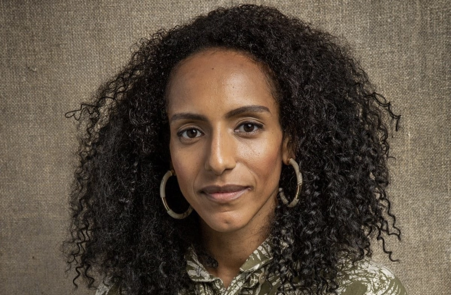
Picture source: https://www.theguardian.com/books/2023/oct/19/decolonising-my-body-by-afua-hirsch-review-reclaiming-beauty
That mindset has roots going much deeper than old adverts. It comes from colonial history, a time when entire systems were built on the idea that some people’s lives and cultures mattered more than others. That same mindset trickled down through art, literature, film, and eventually modern advertising. It’s why, even now, we still see echoes of those old hierarchies in what’s considered “professional,” “beautiful,” or “marketable.”
Representation today is changing, but the conversation about equity isn’t just about what we see now, it’s about correcting the imbalance that’s been passed down for generations. The fact that more diverse faces are finally being shown doesn’t erase the history that made their absence feel normal in the first place. To move forward, we have to understand how that history shaped what we see… and what we still don’t.
When people say things like “why does everything have to be about race?” it’s worth remembering that for decades, race quietly determined who got to be seen at all. We’re not “making it about race”, we’re finally noticing that it always was.
Race In Media: Representation beyond the screen
When we talk about representation, most people think about who’s on the screen, the actors, the models, the faces we see in adverts. But real representation goes much deeper than that, it’s not just about who’s in front of the camera… it’s also about who’s behind it.
Who writes the script? Who takes the photos? Who chooses the final edit or decides what gets shown and what doesn’t? Those choices shape the story just as much as the people in it. And if the people making those decisions all come from similar backgrounds or hold the same perspectives, then we end up seeing the same kind of stories, told in the same kind of way, again and again.
True inclusion means having diversity at every level of creation, from the brainstorm meeting to the director’s chair, from the photographer to the copywriter. Because when different voices are part of the process, the result feels more real. The jokes land differently, the details feel more authentic, and the message connects with more people.
Having the right people behind the scenes really does matter. Take Pepsi’s infamous advert with Kendall Jenner, for example. In it, Kendall hands a can of Pepsi to a police officer during a protest and that was supposed to symbolise unity. But instead, it sparked global backlash for completely missing the point. Communities were protesting against racial injustice and police brutality, and the ad turned that pain into a photo opportunity. If there had been more diverse voices in the room, someone may have said, “this doesn’t feel right.” That’s why inclusion behind the camera isn’t just nice to have, it’s essential.
Find out more about the ad here.
Race in media and representation isn’t just about being seen; it’s about being understood. That understanding starts with the people telling the story. When creative teams include a range of voices and lived experiences, it changes what gets made and how people feel when they see it.
That’s why inclusion behind the scenes is just as important as what’s shown on camera. It’s what makes the difference between something that feels performative and something that feels true.
From invisibility to hypervisibility
There’s a strange paradox when it comes to how many Black and brown people have been shown in the media. For a long time, they were barely visible at all; missing from adverts, dramas, magazine covers, and even the everyday images that make up our idea of “normal life.” Then suddenly, when representation began to grow, visibility didn’t always come with fairness. It went from being invisible to being hypervisible… but often for the wrong reasons.
Race in media and hypervisibility means being seen but not fully understood. It’s when someone like you is suddenly everywhere, in news headlines, in “diversity” campaigns, in token roles, but your story is still being told through someone else’s lens. You’re visible, but not in control of how that visibility looks. Sometimes that visibility even becomes a spotlight that focuses on difference, rather than acceptance.
And that’s where tokenism creeps in. Tokenism is when diversity becomes a checkbox instead of a genuine effort. It’s the single brown face in a sea of white ones, the predictable “diversity” ad where everyone smiles together but the story still centres around the same old perspective. It’s when representation feels forced or hollow because the people behind it haven’t really listened or collaborated with the communities they’re trying to show.
We’ve all seen those moments, the campaign that looks inclusive on the surface but somehow misses the mark. That happens when inclusion is done for appearance rather than understanding. True representation can’t come from a template; it has to come from people who actually know the experiences they’re depicting.
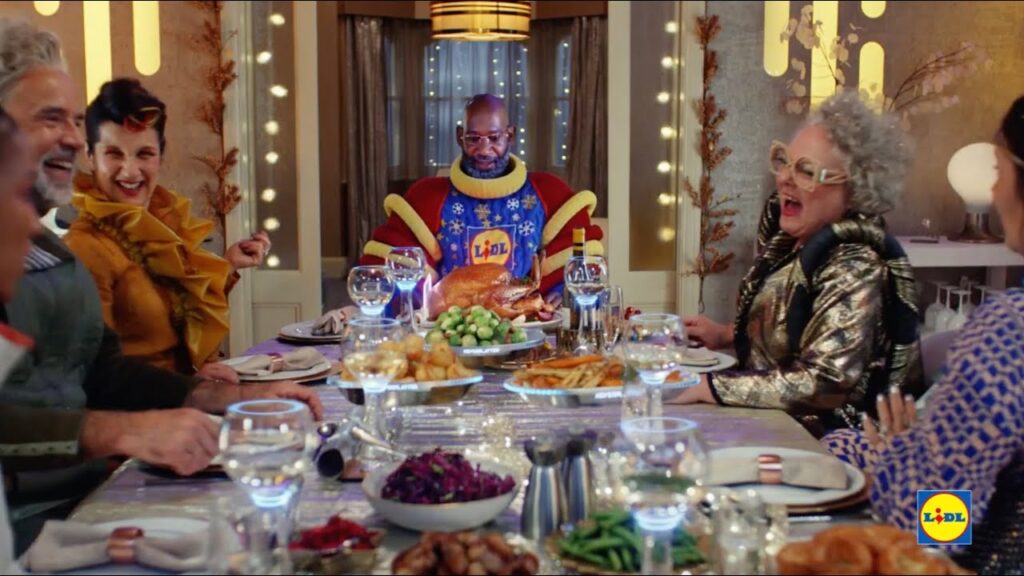
Image source: https://www.thegrocer.co.uk/news/lidl-commits-to-low-prices-forever-with-futuristic-christmas-ad/661540.article
Lidl Christmas ad from 2021 that was called out for “multicultural casting for the sake of representation.”
Race in media and authentic representation feels different. It’s created through collaboration, not assumption. It shows people in real, varied, everyday roles; leading stories, cracking jokes, being complex, being themselves. It’s when you can tell that someone behind the camera gets it. You can feel the difference between a story made with you in mind and one made about you from the outside looking in.
Both invisibility and distorted visibility do harm. When you’re invisible, the world acts like you don’t exist. When you’re hypervisible, but only as the token, the stereotype, or the “diversity moment” you’re seen, but still not truly recognised. Either way, you’re boxed in by someone else’s version of who you are.
Real representation means finding that middle ground, being seen for all the right reasons, and being allowed to exist in the ordinary moments too. It’s not about filling a quota or ticking a box; it’s about telling the truth of who people really are. Because everyone deserves to be visible, not as a token, but as a whole person.
Racism In Politics: When visibility becomes controversy
It’s strange to think that in 2025, something as simple as who appears in an advert can still cause outrage… but it does. You’d think seeing a mix of people on our screens would be accepted by now. But for some, diversity still feels like disruption.
A recent example made headlines when Reform Party MP Sarah Pochin said she was “driven mad” by adverts that she felt were “full of black people, full of Asian people. Her comment, made during a TalkTV discussion, was met with immediate backlash and rightly so. It wasn’t just about one person’s opinion; it reflected a mindset that still sees whiteness as the default and everything else as “extra.”

Image source: https://www.easterneye.biz/sarah-pochin-reform-racism-farage/
That one phrase, “too many“, says a lot. It suggests that diversity is something to be measured, moderated, and controlled. It frames visibility as a problem, not progress. But what it really shows is how some people are still uncomfortable with a reality that no longer centres only one kind of person.
Representation shouldn’t feel like a threat to anyone. It’s simply showing the world as it actually is… full of different faces, voices, and experiences. When someone says “too many Black and Asian faces,” what they’re really saying is “I’m not used to seeing the world as it really looks.” That discomfort isn’t new; it’s just being challenged in public now.
And while her comment caused anger, it also sparked something useful, a reminder of why representation still matters and race in media is important. If adverts showing ordinary people of colour can still provoke backlash, then clearly, we’re not done having this conversation. Visibility shouldn’t be controversial; it should be normal. The goal isn’t to make anyone feel replaced, it’s to make sure no one feels erased.
And in case your wondering what the leader of the party had to say about this racist comment? Well it wasn’t racist… apparently. In typical Nigel Farage style he manages to both call the comments “wrong and ugly” and say he “understands the basic point”. It’s a bit like seeing a fire and saying “I’m sure it didn’t burn anything”.
Not the first, and sadly not the last
It turns out this isn’t an isolated moment. The recent comments from MP Robert Jenrick, describing Birmingham’s Handsworth area as “as close as I’ve come to a slum” and remarking that he “didn’t see another white face”, aren’t just about one politician or one careless phrase. They’re part of a longer story about how language can still divide, stereotype, and wound whole communities.
Locals were quick to respond, pointing out that Handsworth is far from the picture he painted. It’s a vibrant, multicultural part of Birmingham that’s home to generations of families, businesses, and culture; the kind of community that reflects what modern Britain actually looks like. Community leaders, residents, and even the Bishop of Birmingham spoke out, calling the comments “careless” and “divisive.”
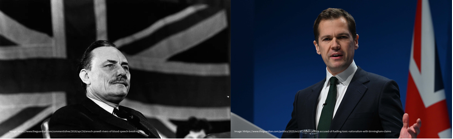
But here’s what really hits hard: we’ve heard this kind of language before. Back in 1968, Enoch Powell stood not far from there, in Birmingham, warning of what he called “rivers of blood” if immigration continued. In that same speech, he said, “In this country in 15 or 20 years’ time, the black man will have the whip-hand over the white man.” That speech shocked Britain then, but the fact that echoes of it can still be heard in today’s conversations shows how far we still have to go.
The words might be softer now, dressed in political polish or framed as “personal observations,” but the sentiment underneath hasn’t completely disappeared. When a modern MP describes an area filled with Black and brown residents as something close to a “slum,” it carries the same old assumption… that places and people of colour represent decline, not community.
What this reveals about everyday bias
When you look at all these moments together, the adverts that miss the mark, the comments from MPs, the debates about who appears on screen, they point to something bigger than a few isolated incidents. They reveal the everyday biases that still sit quietly beneath the surface for many people. Bias isn’t always loud or aggressive; sometimes it shows up in the smallest reactions: a raised eyebrow, a surprised comment, a careless joke, or even a simple “I just don’t think that looks right.”
Bias often comes from what people grew up seeing, hearing, and being told. If someone has only ever seen one type of person in the main roles, in the “good neighbourhoods,” or in positions of authority, then seeing anything different can feel strange… even if it’s perfectly normal. It doesn’t mean people are intentionally racist; it means their understanding of “normal” has been shaped by a very narrow picture.
But the impact is the same. When someone says “too many Black and brown faces” or comments on not seeing “another white face,” it shows how easily diversity is framed as an anomaly rather than reality. It doesn’t matter whether these remarks come from shock, habit, discomfort, or old ideas passed down, they still land heavily on the people being spoken about.
Everyday bias also explains why some adverts feel uncomfortable, even when they’re meant to be inclusive. If the people behind the scenes don’t understand the communities they’re trying to represent, they can end up reinforcing the very stereotypes they think they’re challenging. A lack of lived experience in decision-making rooms means the same old ideas keep getting recycled.
The thing about bias is that most of it is unintentional, but unintentional does not mean harmless. These small attitudes, left unchecked, shape how we treat people, how we view neighbourhoods, and how comfortable we feel with a world that looks different from the one we grew up in.
Acknowledging this doesn’t mean shaming anyone. It means recognising that we all have blind spots and that we can all choose to do better. And that’s exactly why representation remains so important: it widens our view of the world, challenges old assumptions, and reminds us that diversity isn’t something to question, it’s something to welcome.
Why representation is not about politics but humanity
One of the biggest misunderstandings about representation is the idea that it’s some kind of political statement or culture-war battle. It’s really not. At its core, representation is about humanity; about people feeling seen, valued, and included in the world around them. It’s about our everyday lives, our families, and the communities we walk through, not party lines or political debates.
When people argue that adverts showing Black and brown faces are “political,” it often says more about their own assumptions than the advert itself. Showing real people who live in this country, work here, raise families here, build communities here, that shouldn’t be seen as activism, it should be seen as reality. The fact that it still sparks discomfort for some shows how much society has normalised one type of face as the “default.”
Representation and race in media has becomes politicised only when people treat diversity as something unusual or threatening. But for the people being represented, it’s personal. It’s about walking into a shop, turning on the TV, or scrolling through a website and seeing someone who looks like you without it being a big deal. It’s about feeling like you’re part of the story, not an add-on to it.

Primark advert from 2023 that has been praised for it’s authenticity and representation of Black communities.
When we strip away all the arguments and headlines, what we’re left with is a simple truth: everyone wants to feel like they belong. Everyone wants their children to grow up in a world where they can imagine themselves as anything, not limited by the narrow images they see around them. Everyone deserves to feel respected and understood, no matter their background.
So when we talk about representation and race in media, we’re not talking about winning political points, we’re talking about people’s lived experiences. We’re talking about fairness and the kind of society we want to build, one where no one has to question whether they matter or whether the world sees them.
How brands and creators can promote genuine inclusion
So with all of this in mind, the big question becomes: how do we actually get this right? How do brands, creators, and anyone involved in shaping what we see make sure their work reflects people honestly and respectfully? The good news is that it’s not about doing something complicated, it’s about doing something genuine.
The first step is simple: include the right people in the room from the start. If the creative team behind a campaign is made up of only one type of person with one type of background, it’s easy to miss things and overlook harmful stereotypes or misunderstand the meaning behind certain details. When you bring in people with different lived experiences, whether that’s race, culture, gender, age, disability or anything else, the work naturally becomes richer and more authentic.
Another important step is moving away from tokenism when thinking about race in media. People can tell when they’re being included just to tick a box. A campaign that features one Black person, one Asian person, one white person, and one mixed-race couple, but no real story or depth, often ends up feeling more forced than inclusive. True representation doesn’t follow a formula, it shows people as they really are: with different personalities, styles, families, and experiences. When the story feels real, the representation feels real too.
Listening is also a huge part of getting this right. Brands often make mistakes because they create something for communities rather than with them. Running ideas past focus groups, asking for feedback, involving community creators or cultural consultants; these things make a massive difference. They help catch the small details that someone outside that community might never think twice about.
Being open to correction matters too. No brand is perfect, and mistakes are bound to happen, what matters is how quickly and honestly they respond. Brushing things off or becoming defensive sends the wrong message, but acknowledging harm and committing to do better helps people feel heard. That honesty builds trust… not just with the community affected, but with everyone watching.
Finally, inclusion shouldn’t be a one-off moment. It shouldn’t show up only during Black History Month or Pride or when a particular topic is trending. Inclusion should feel like the norm, it should be reflected in everyday adverts, everyday stories, everyday imagery because for the people watching, these identities are everyday.
When brands and creators get this right, it’s obvious. The work feels warm, natural, and human, it makes people smile because they recognise themselves or the people they love. It creates connection and that’s what representation is really about, not perfection, but presence.
From representation to belonging
Race in media and representation is the first step, but the real goal is belonging. Seeing yourself in a TV show or advert can spark something inside you, a moment of recognition, a sense of pride, or even just a quiet “finally.” But belonging goes deeper, it’s the feeling of knowing you don’t have to fight for space, justify why you’re there, or you don’t have to brace yourself for comments or looks.
Belonging also changes how we see each other. When we’re used to seeing a wide range of people in normal, everyday roles, difference stops feeling like something unusual. Diversity becomes familiar instead of “something to get used to.” When that shift happens, relationships strengthen, communities feel more connected, people stop assuming things based on appearances and start seeing one another as individuals.
That’s why representation isn’t just about correcting past mistakes, it’s about building a future where no one has to shrink themselves or question their place, a future where kids grow up believing they can be anything because they’ve seen people like them being everything.
Final thoughts, seeing ourselves in the story
At the heart of all of this; the adverts, the comments, the headlines, the reactions, is a simple truth: everyone wants to feel seen. Everyone wants to feel like they belong in the world they live in, and the images we put out into the world shape that feeling more than we often realise.
Race in media and Representation isn’t just about who gets a role in a commercial or who stands in the centre of a campaign photo, it’s about telling a story that actually reflects the people who live in this country; with all our different faces, families, cultures and backgrounds. When those stories are honest and inclusive, they help us understand each other better. They build empathy and they create connection.
Of course, the journey hasn’t been perfect. We’ve seen adverts that miss the mark, comments that sting, and moments where old attitudes slip out of the shadows. But we’ve also seen people speak up, push back, and refuse to let those old narratives go unchallenged. That says something powerful about where we’re heading.
Progress isn’t measured by whether these moments disappear completely, it’s measured by how we respond to them. Right now, more people than ever are calling for fairness, calling out harm, and expecting better from brands, leaders and public voices. That’s not negativity; that’s growth.
In the end, race in media and representation is really about one thing: making sure everyone can see themselves in the story, not as an afterthought, not as a stereotype, but as a full human being. When we get that right, it doesn’t just change adverts or media. It changes how we see each other, and how we see ourselves.